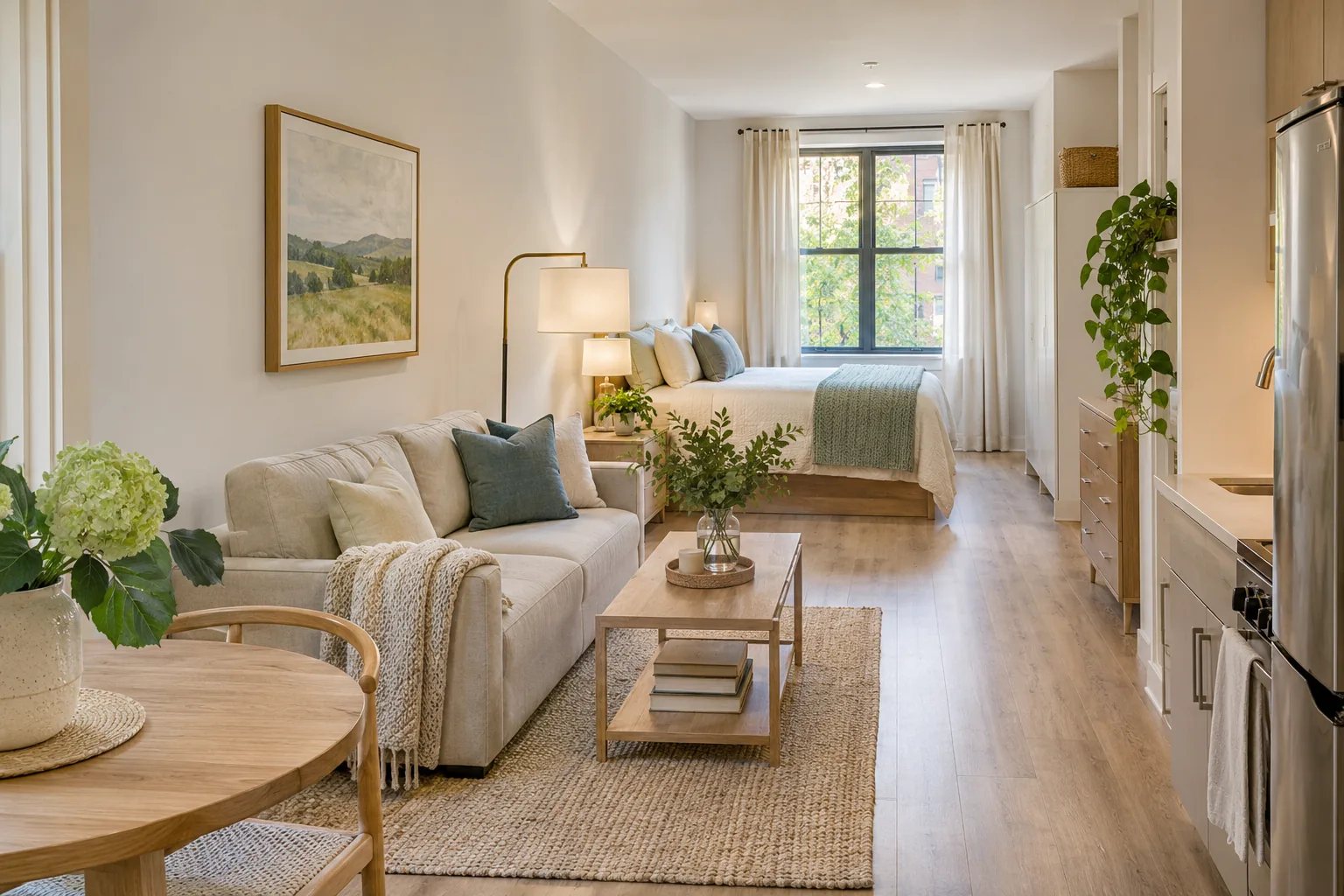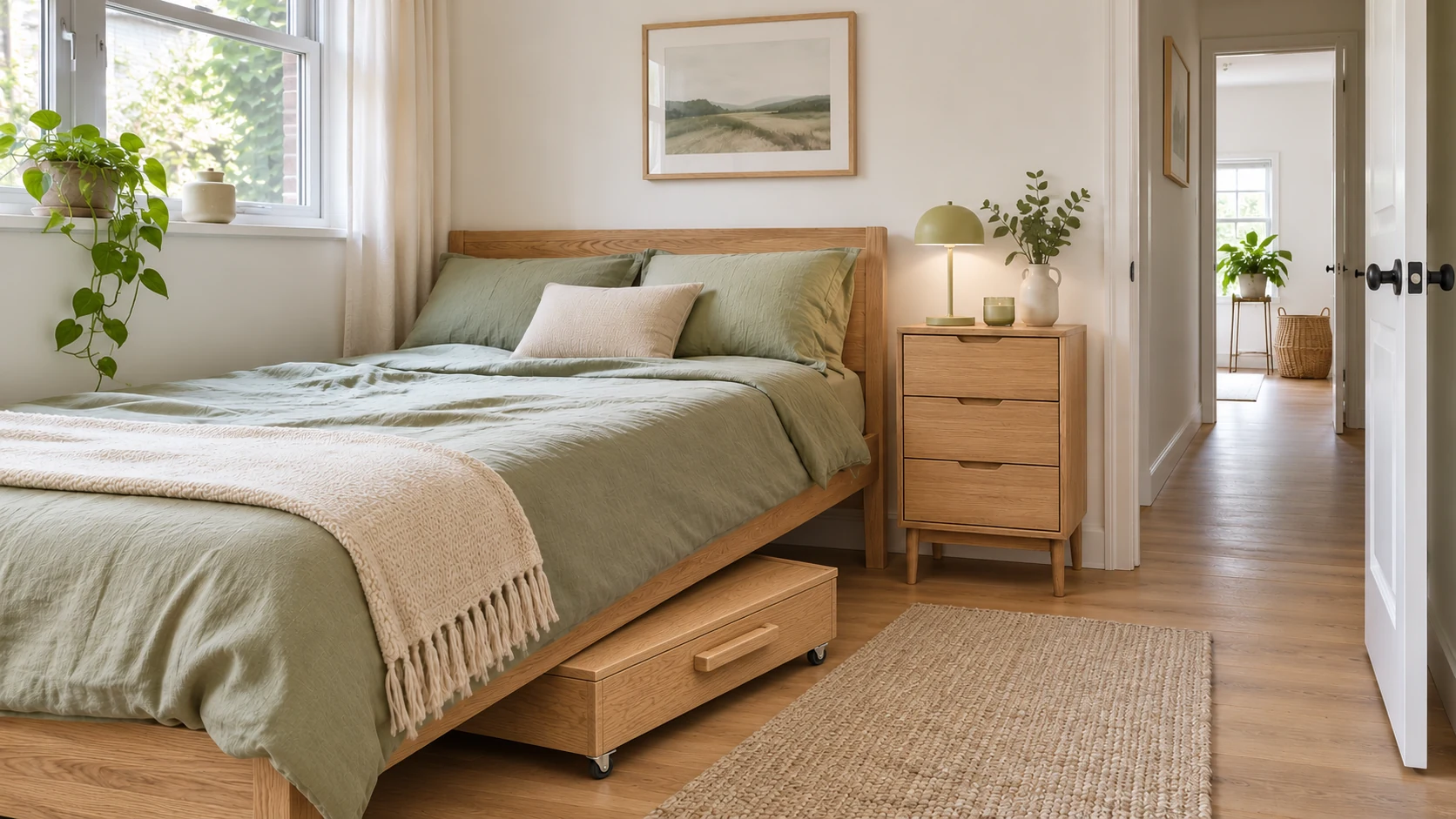
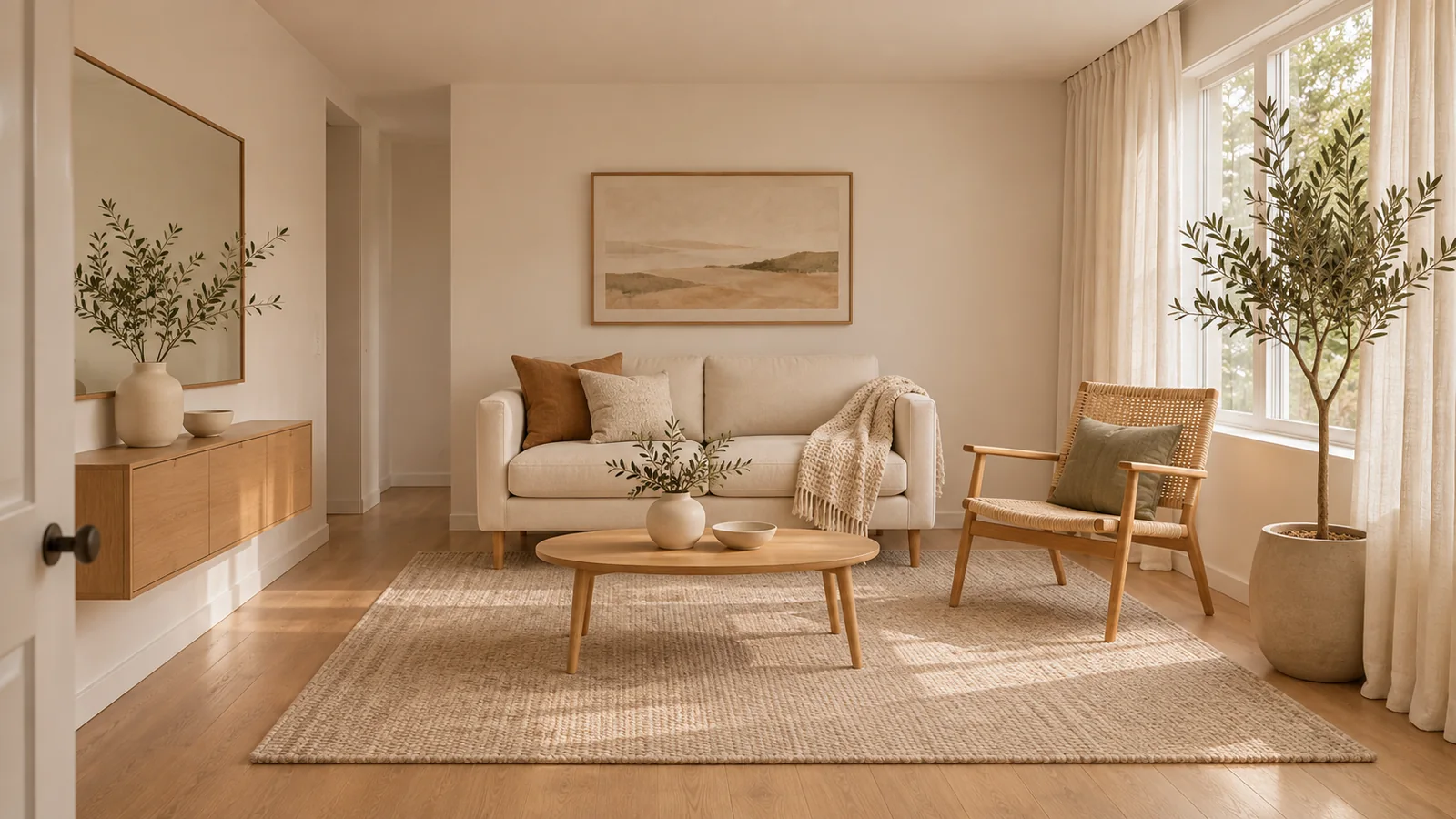
If you have to sidestep the coffee table to reach the sofa, start with the layout. These small living room ideas cover what to move, what to measure, and where to save floor space with the furniture you already have.
Table of Contents
- Before You Move or Buy Anything
- Layout and Furniture
- 1. Start With a Clear Furniture Layout
- 2. Choose a Sofa With Visible Legs
- 3. Use a Large Mirror to Reflect Light
- 4. Pick a Coffee Table With a Light Footprint
- Windows, Rugs, and Storage
- 5. Hang Curtains High and Wide
- 6. Use One Large Rug Instead of a Small One
- 7. Add Wall-Mounted Storage
- 8. Choose Multipurpose Furniture
- 9. Keep the Main Color Palette Cohesive
- 10. Use Vertical Space With Tall Shelving
- 11. Replace a Side Table With a C-Table
- 12. Add Storage Ottomans
- Lighting, Focal Points, and Finishing Touches
- 13. Float Furniture When the Layout Allows
- 14. Create One Strong Focal Point
- 15. Layer Lighting Instead of Relying on One Fixture
- 16. Use Wall-Mounted Lighting to Save Surface Space
- 17. Keep Window Areas Visually Light
- 18. Add Greenery Without Using Much Floor Space
- 19. Leave Breathing Room Around Furniture
- Frequently Asked Questions
Before You Move or Buy Anything
Sketch the room and mark door swings, windows, and outlets. List what you need on a typical day, such as seating for two, a reading light, or storage for games. Use that list before buying another piece.
Layout and Furniture
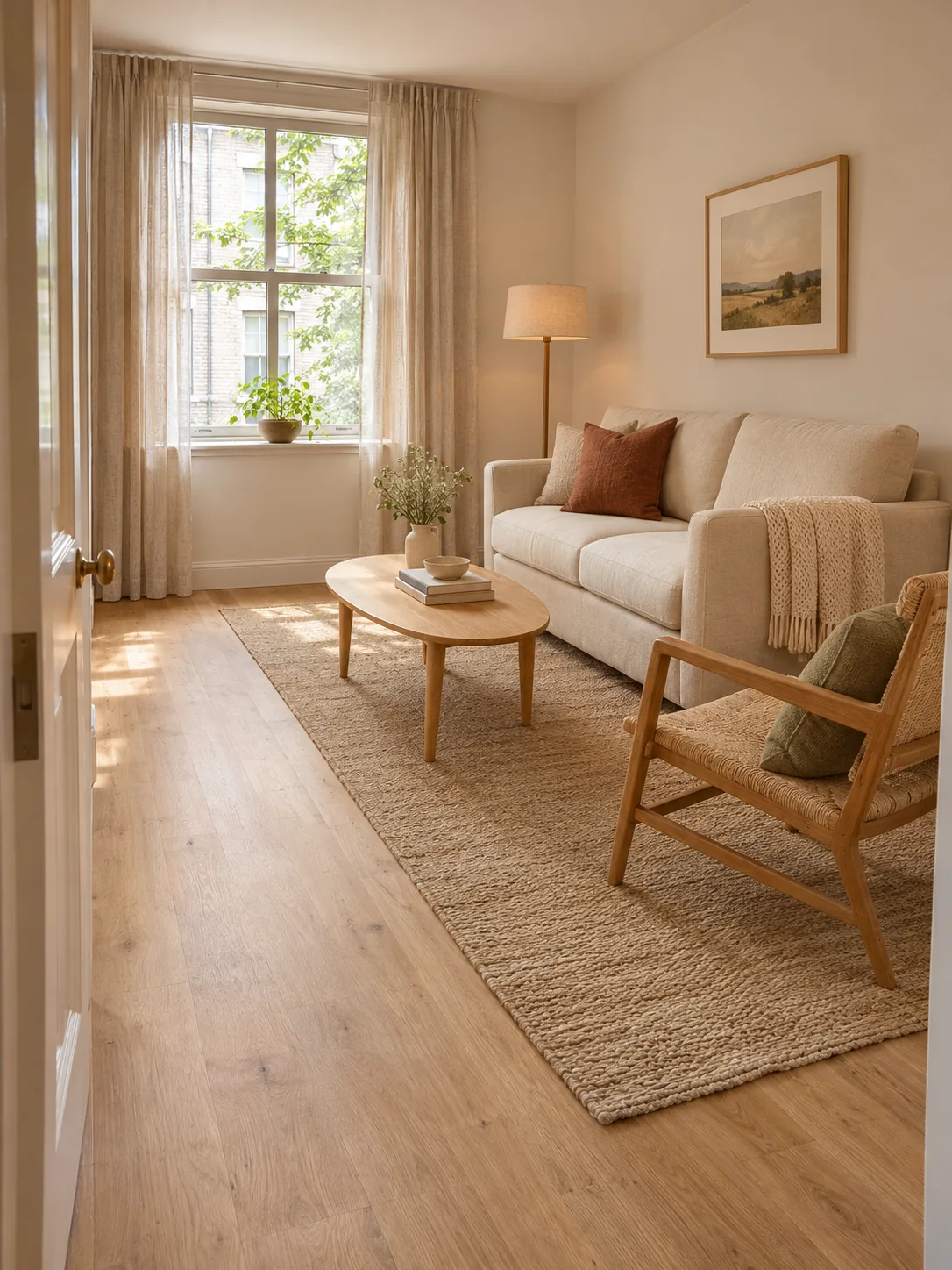
1. Start With a Clear Furniture Layout
 Save
Mark the route from the doorway to the seating area before moving anything. Arrange the sofa and chair around that route, then test it with the door fully open.
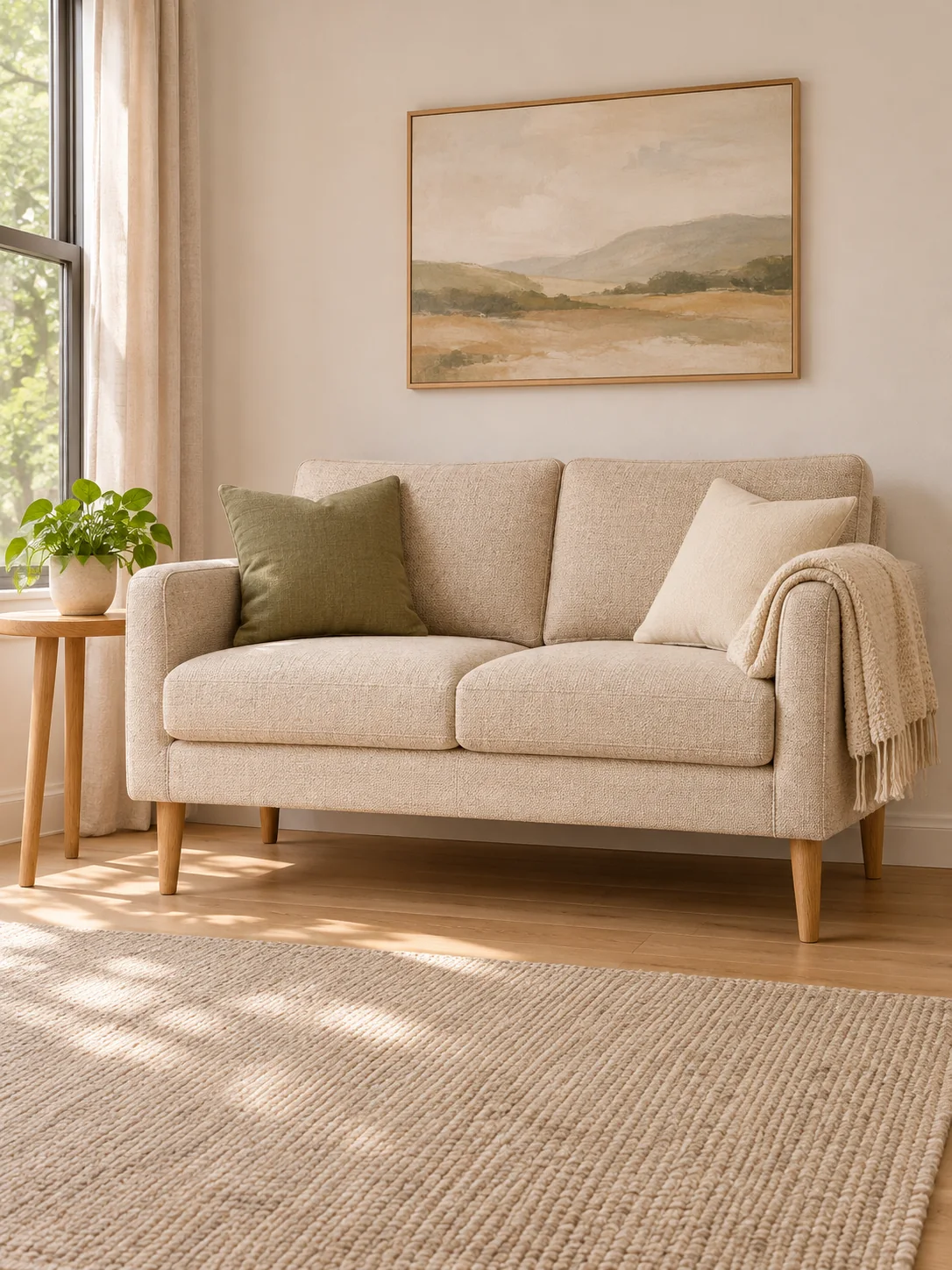
2. Choose a Sofa With Visible Legs
 Save
Look for a sofa with an open base and a shallow enough seat to suit the room. Check the full depth, including the back cushions, before comparing models.
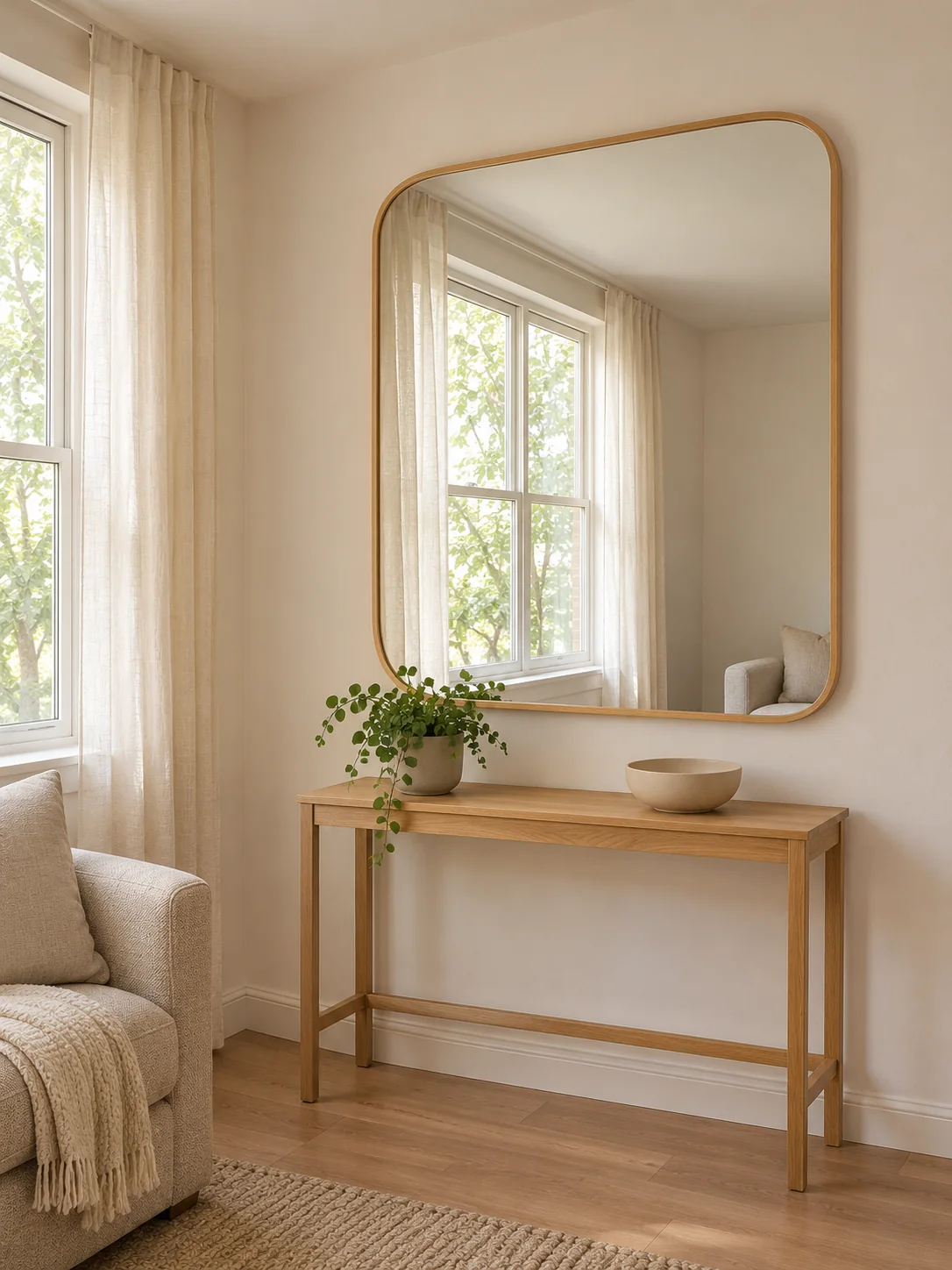
3. Use a Large Mirror to Reflect Light
 Save
Hold the mirror in position before mounting it. Check from your usual seat that it reflects a window or a bright wall rather than direct glare.
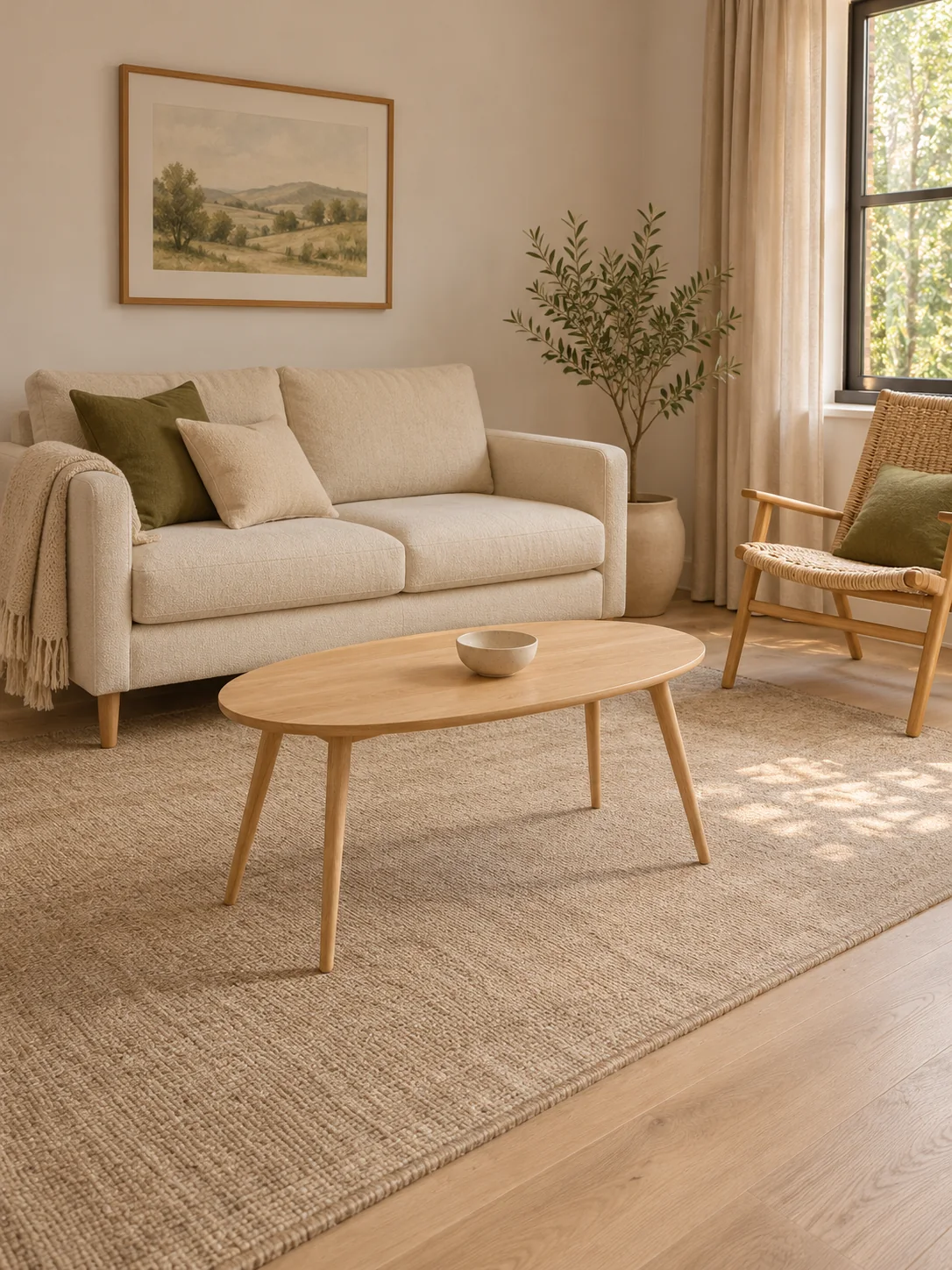
4. Pick a Coffee Table With a Light Footprint
 Save
Tape out a narrow oval table and walk past both ends. The rounded outline is especially useful where you turn between the sofa and a doorway.
Windows, Rugs, and Storage
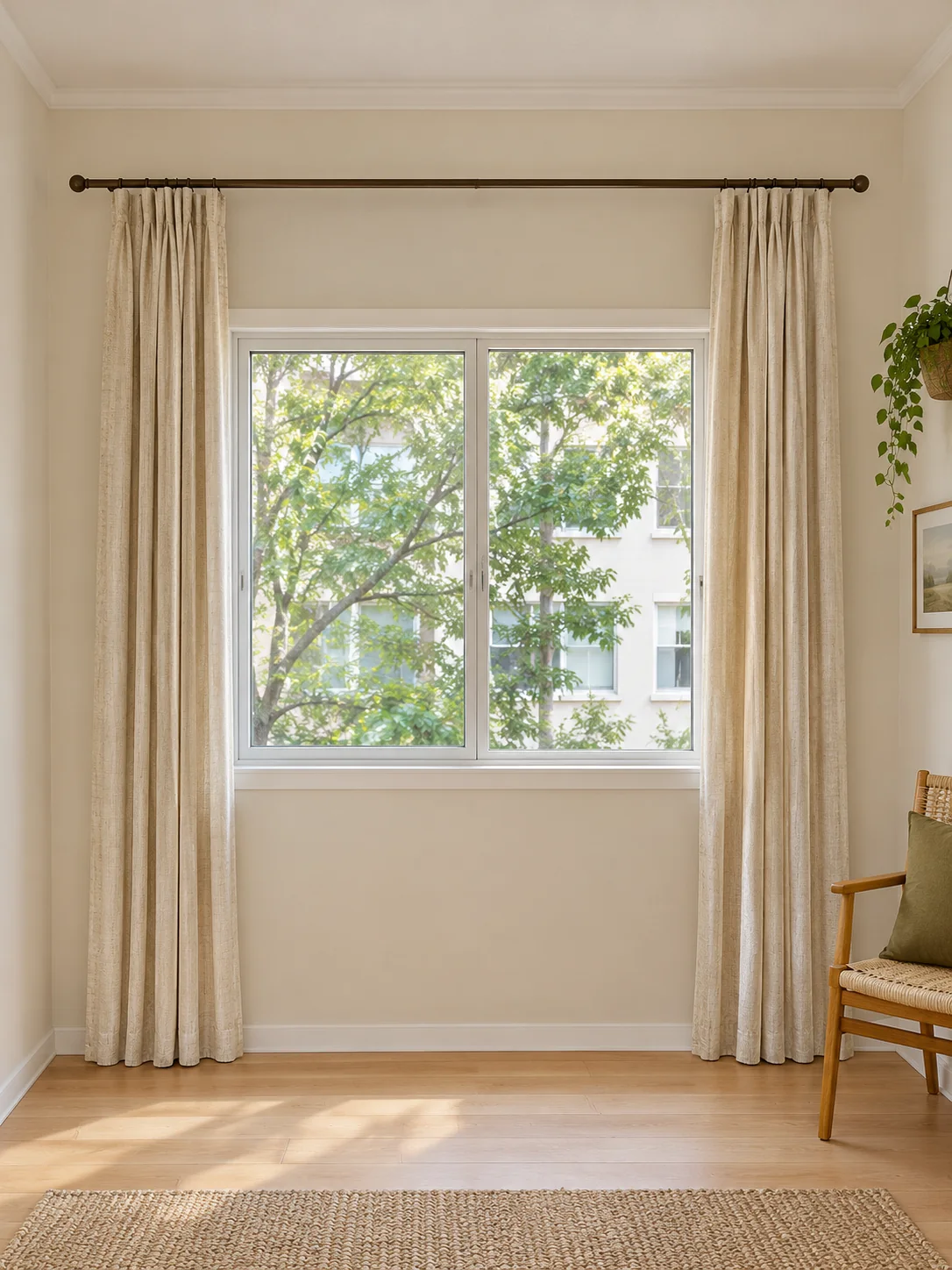
5. Hang Curtains High and Wide
 Save
Mount the rod above the window frame and extend it far enough on both sides for the open panels to sit beside the glass.
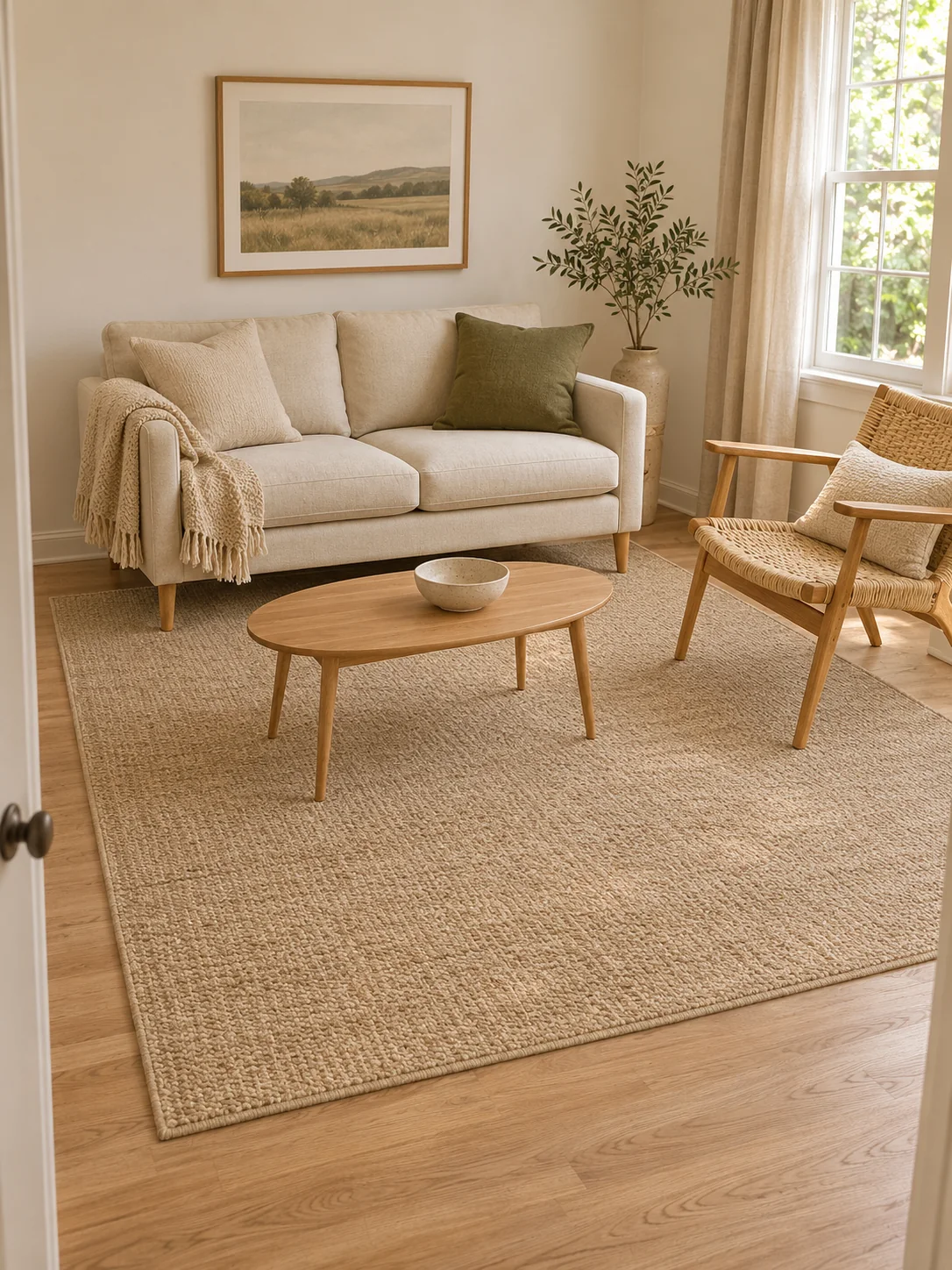
6. Use One Large Rug Instead of a Small One
 Save
Mark the rug corners before buying. Aim to fit the front legs of the sofa and chairs on it while leaving some floor visible around the seating group.
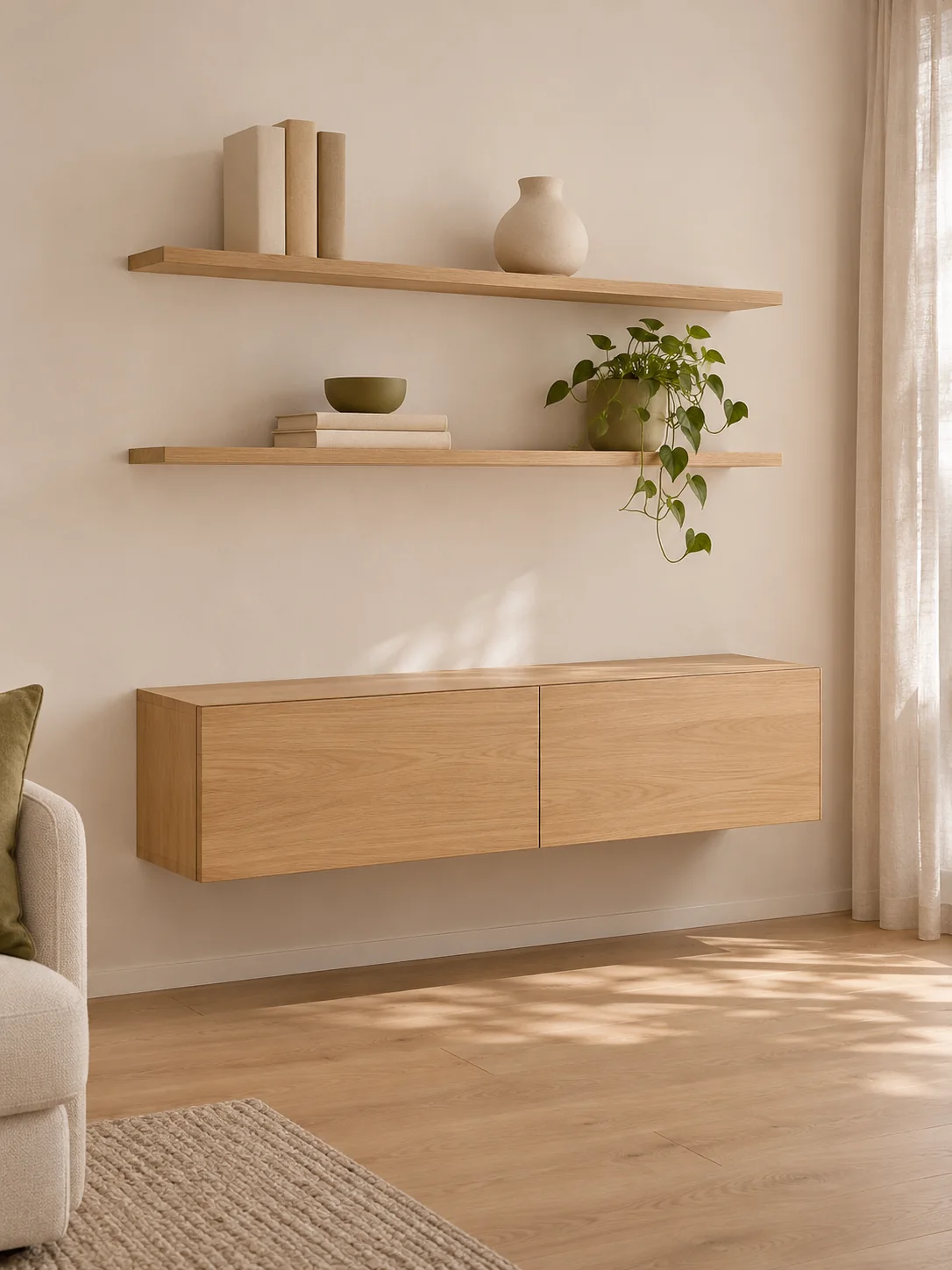
7. Add Wall-Mounted Storage
 Save
Use a shallow wall cabinet for things you reach for often. Check the wall type and mounting instructions, and leave room for the doors to swing open.
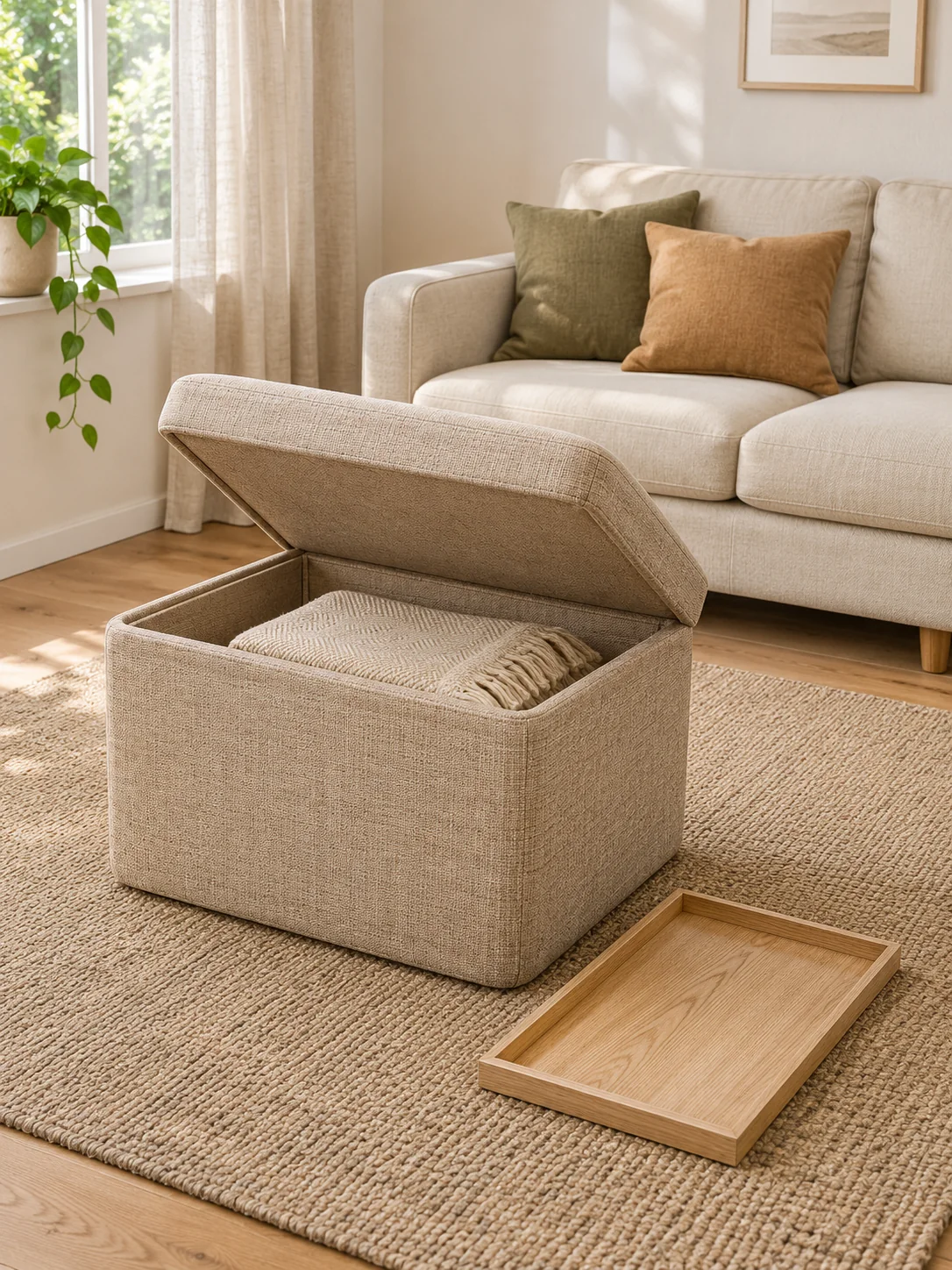
8. Choose Multipurpose Furniture
 Save
A firm ottoman can replace a coffee table if a flat tray sits steadily on top. Lift the tray off when you want to put your feet up.
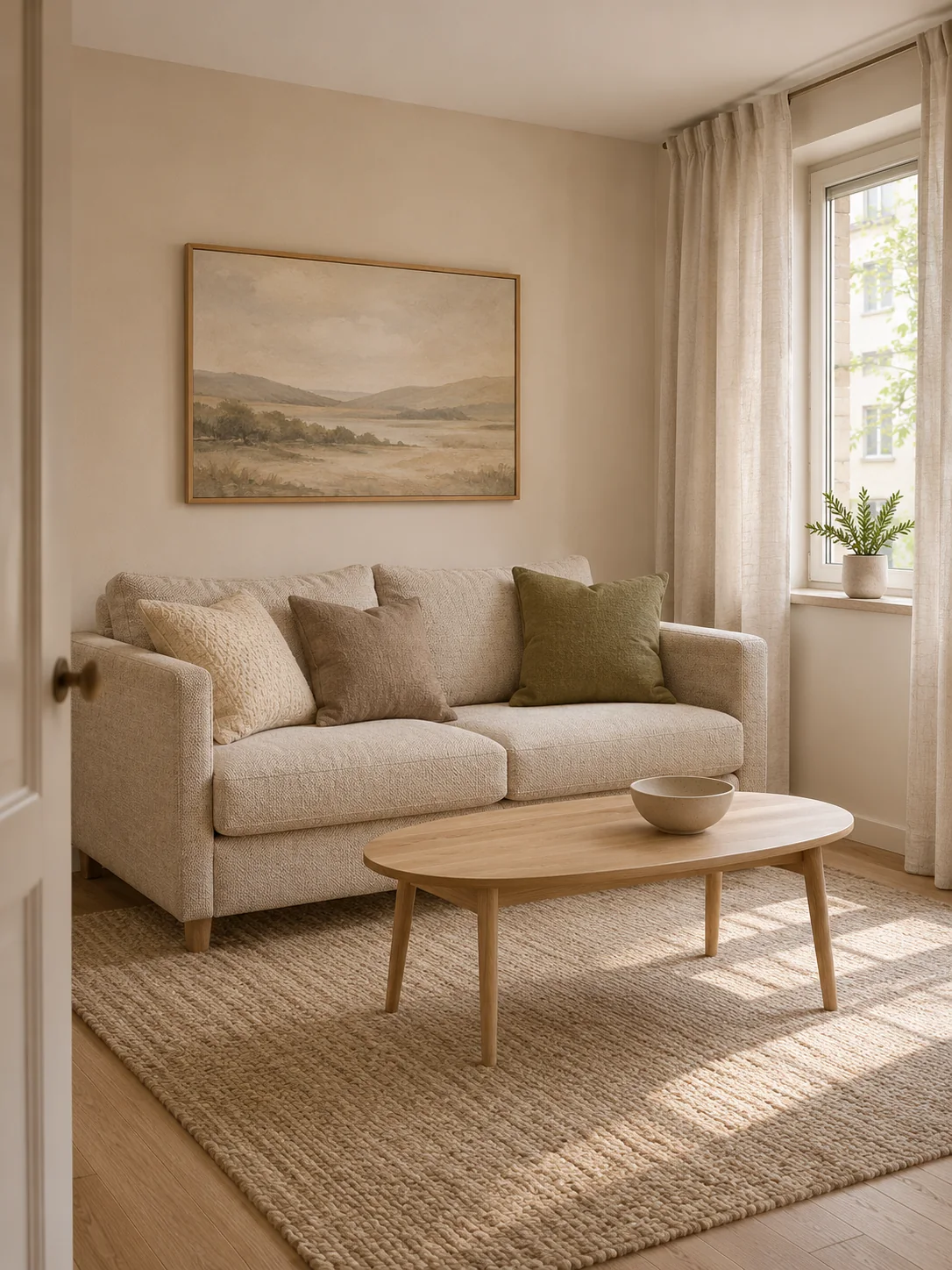
9. Keep the Main Color Palette Cohesive
 Save
Start with a color already in the sofa or rug. Repeat it in one smaller item, such as a cushion, before bringing in a new accent color.
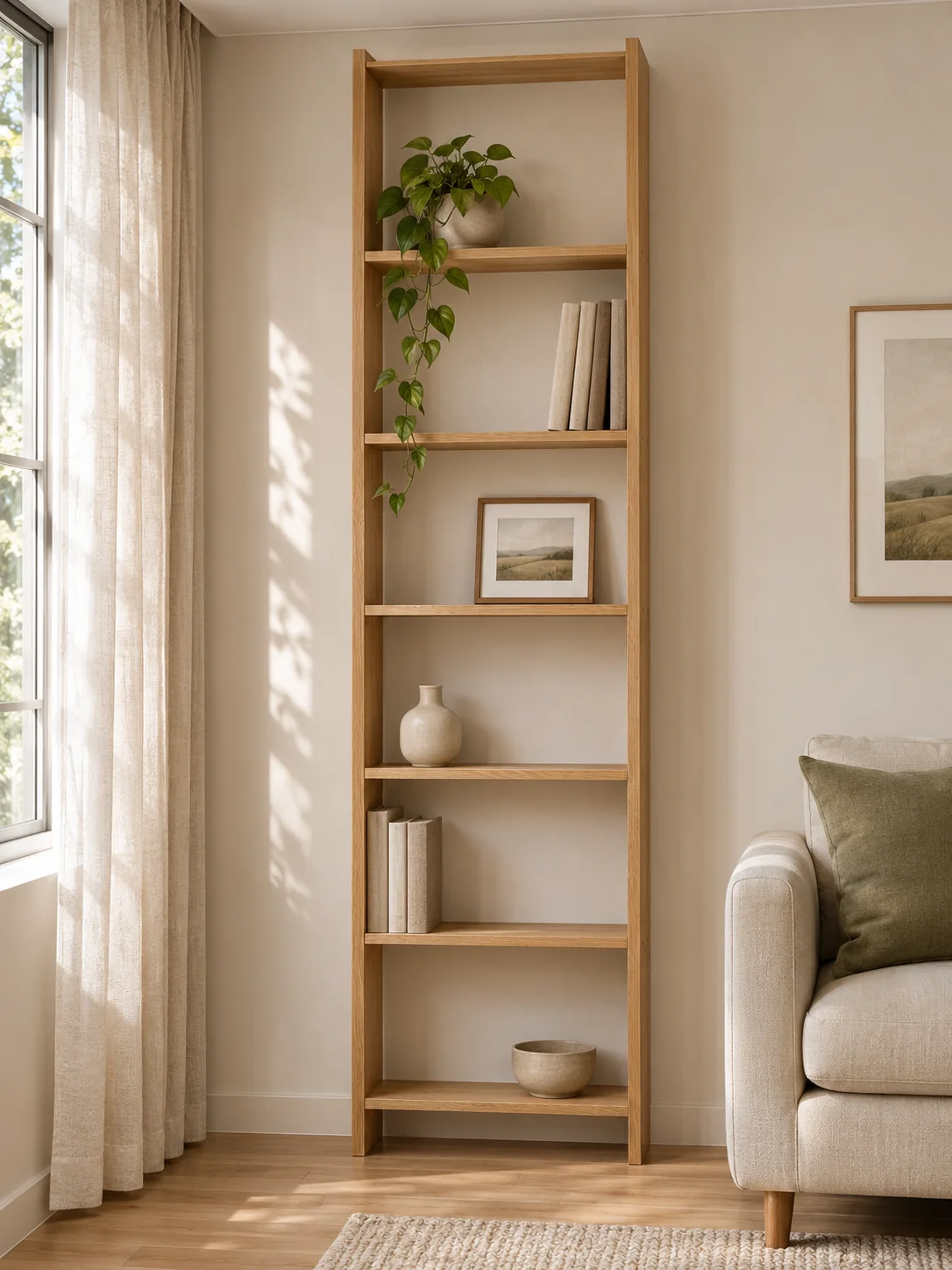
10. Use Vertical Space With Tall Shelving
 Save
Choose a tall, shallow unit for a narrow wall. Store heavy items low, keep everyday items within reach, and secure the unit as directed by the manufacturer.
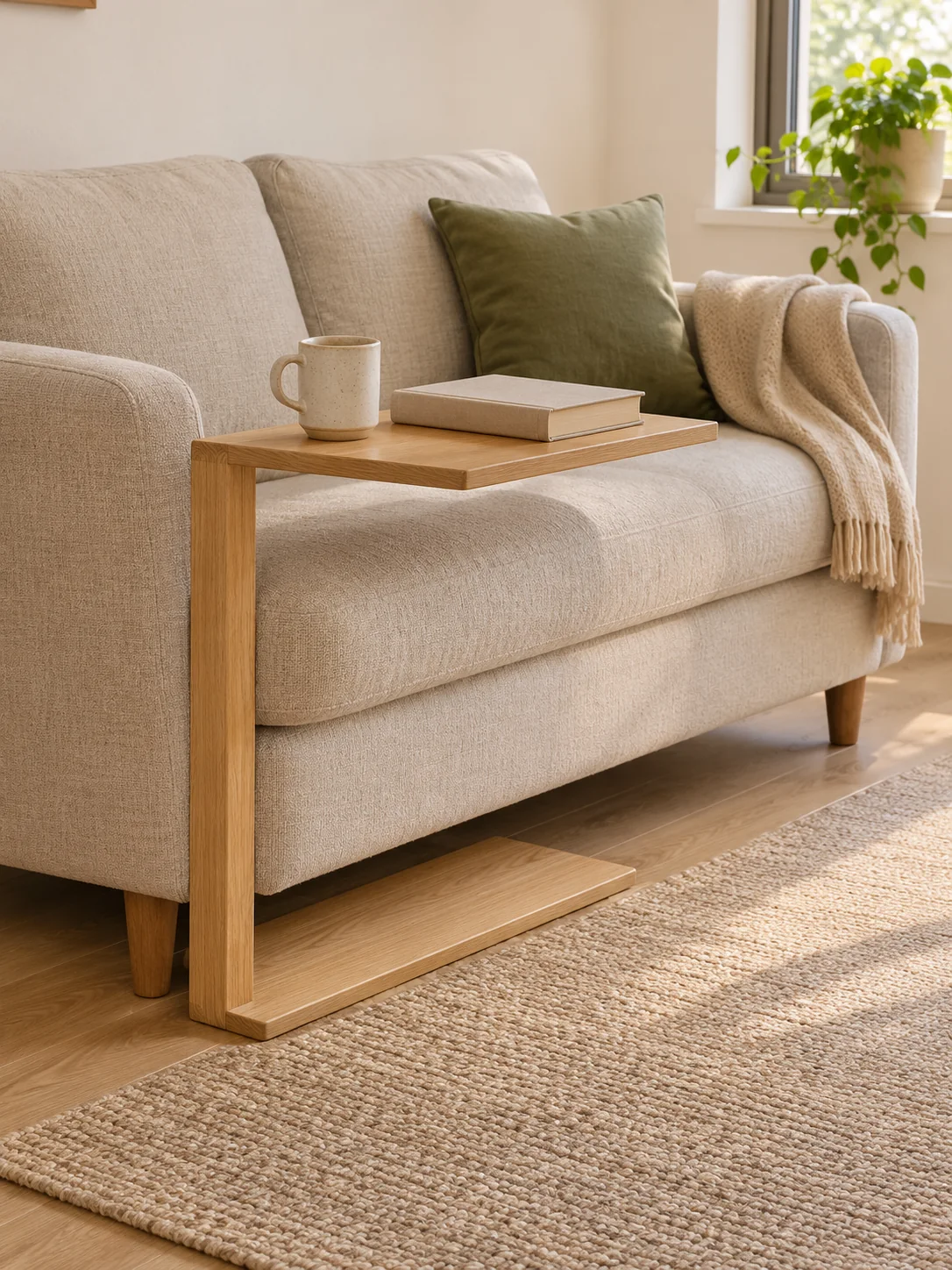
11. Replace a Side Table With a C-Table
 Save
Measure the gap under the sofa and the height of its arm before shopping. The base should slide under easily, with the top at a comfortable reach.
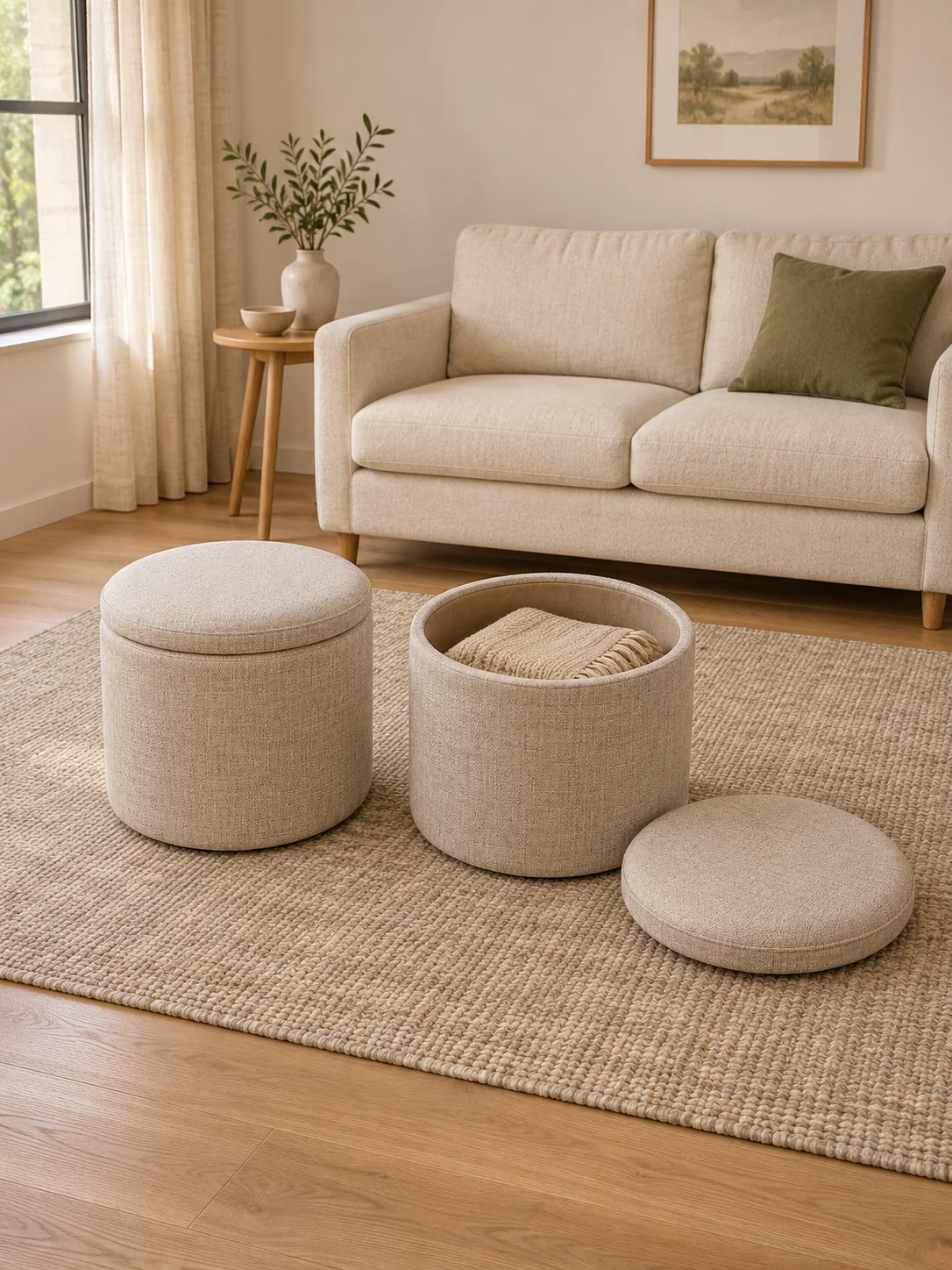
12. Add Storage Ottomans
 Save
Store blankets or games in a compact ottoman. If the lid lifts off, make sure there’s somewhere to set it without blocking the walkway.
Lighting, Focal Points, and Finishing Touches
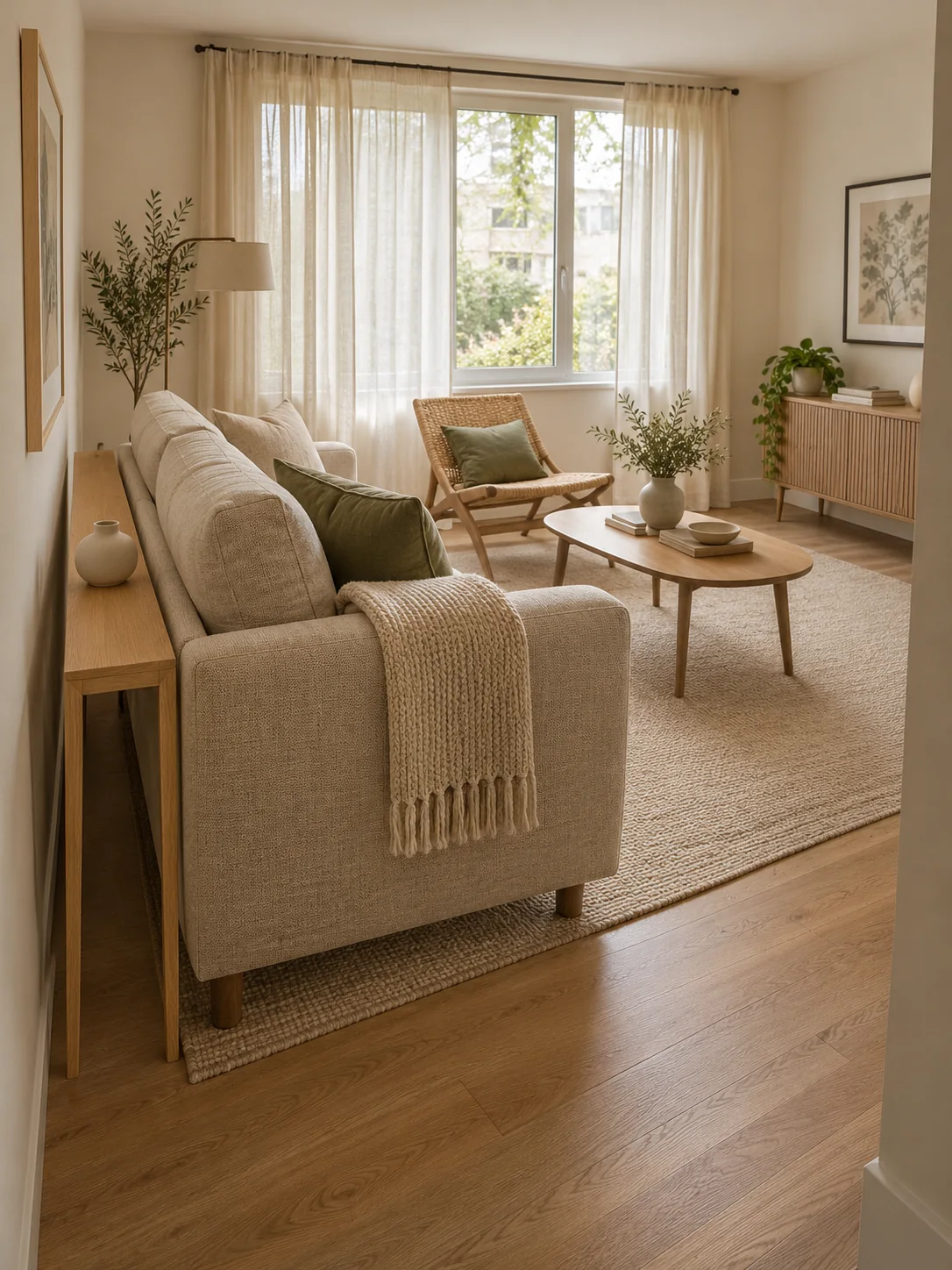
13. Float Furniture When the Layout Allows
 Save
Try pulling the sofa forward only if it creates a useful route behind it. Walk that route before adding a console, and skip the console if it narrows the passage.
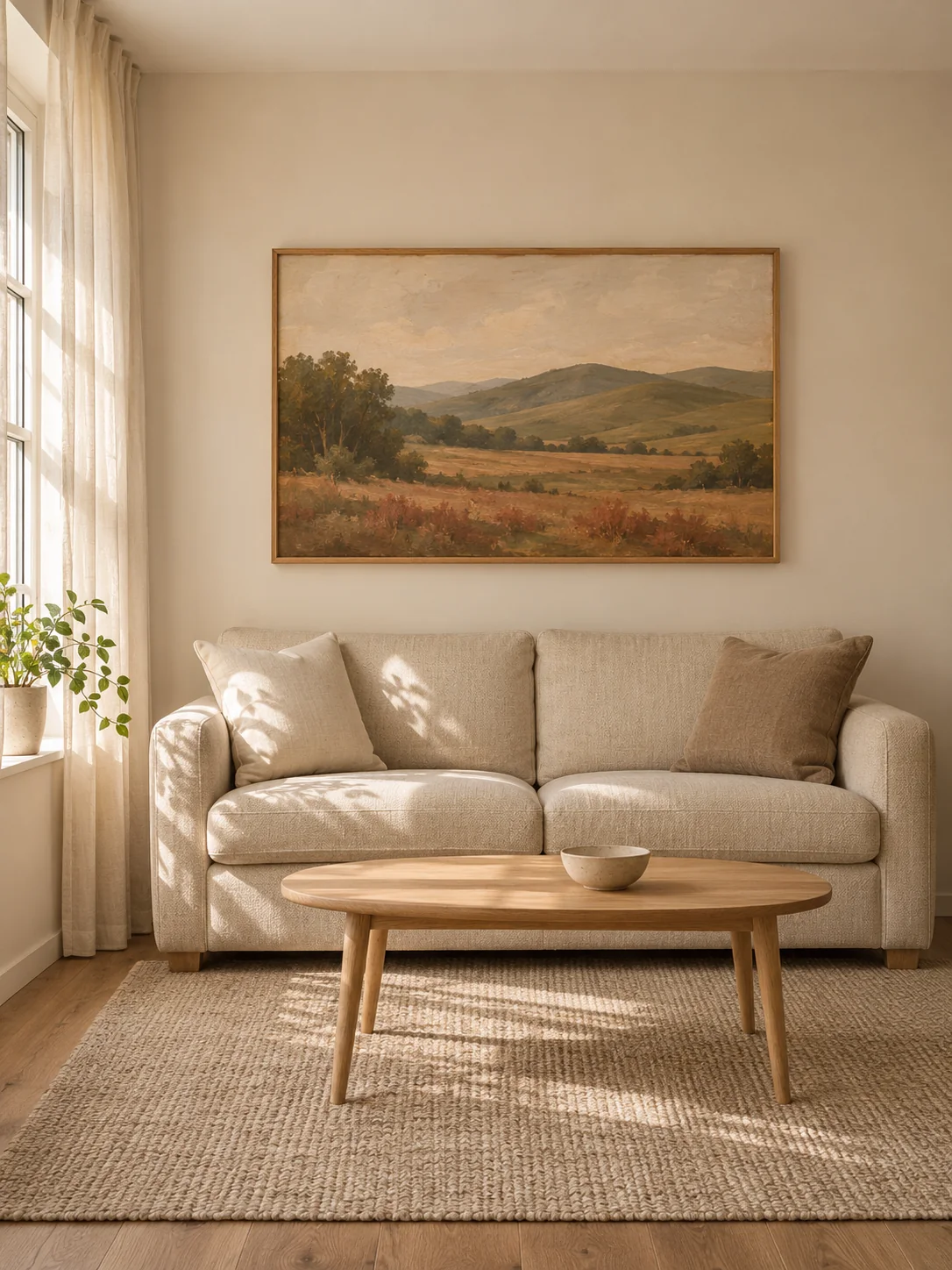
14. Create One Strong Focal Point
 Save
Choose one feature you notice from the doorway. If it’s artwork above the sofa, leave the nearby wall clear so the frame has room to stand out.
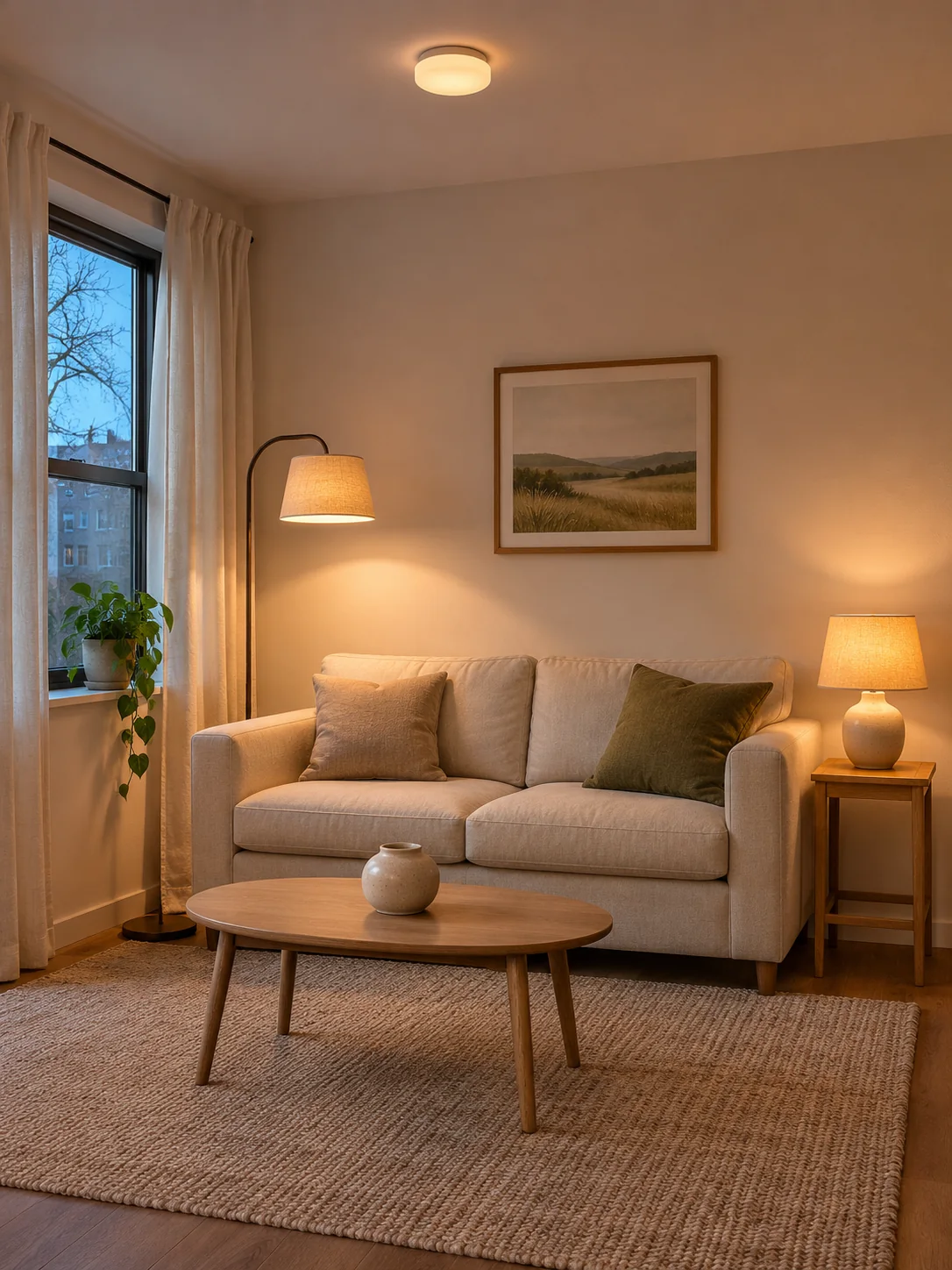
15. Layer Lighting Instead of Relying on One Fixture
 Save
Put lamps at different heights so you can switch off the ceiling light in the evening. See how a floor lamp and table lamp work together.
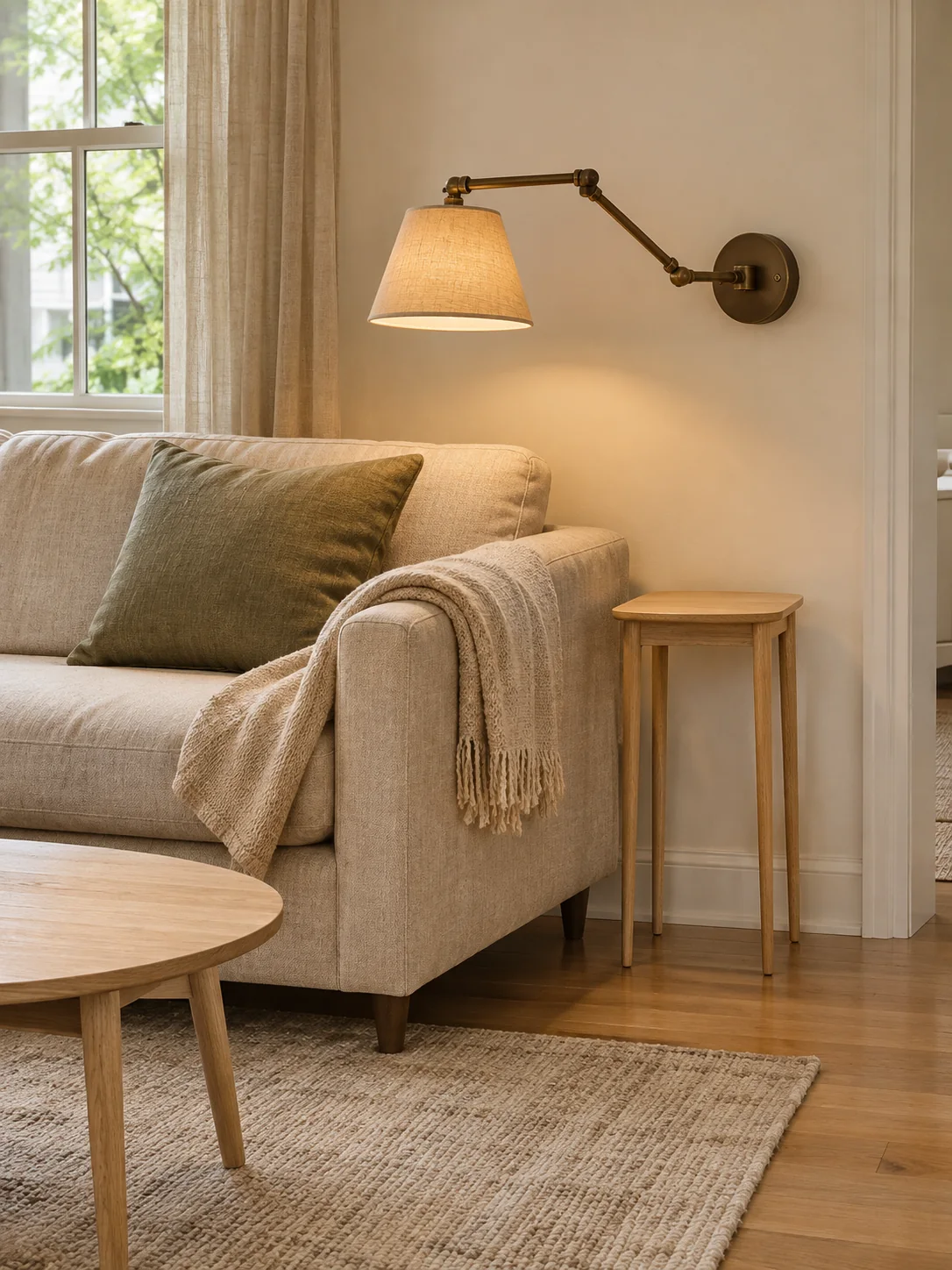
16. Use Wall-Mounted Lighting to Save Surface Space
 Save
Sit in your usual reading spot and check where the shade would sit before mounting a sconce. If you use a plug-in model, plan the cord route first.
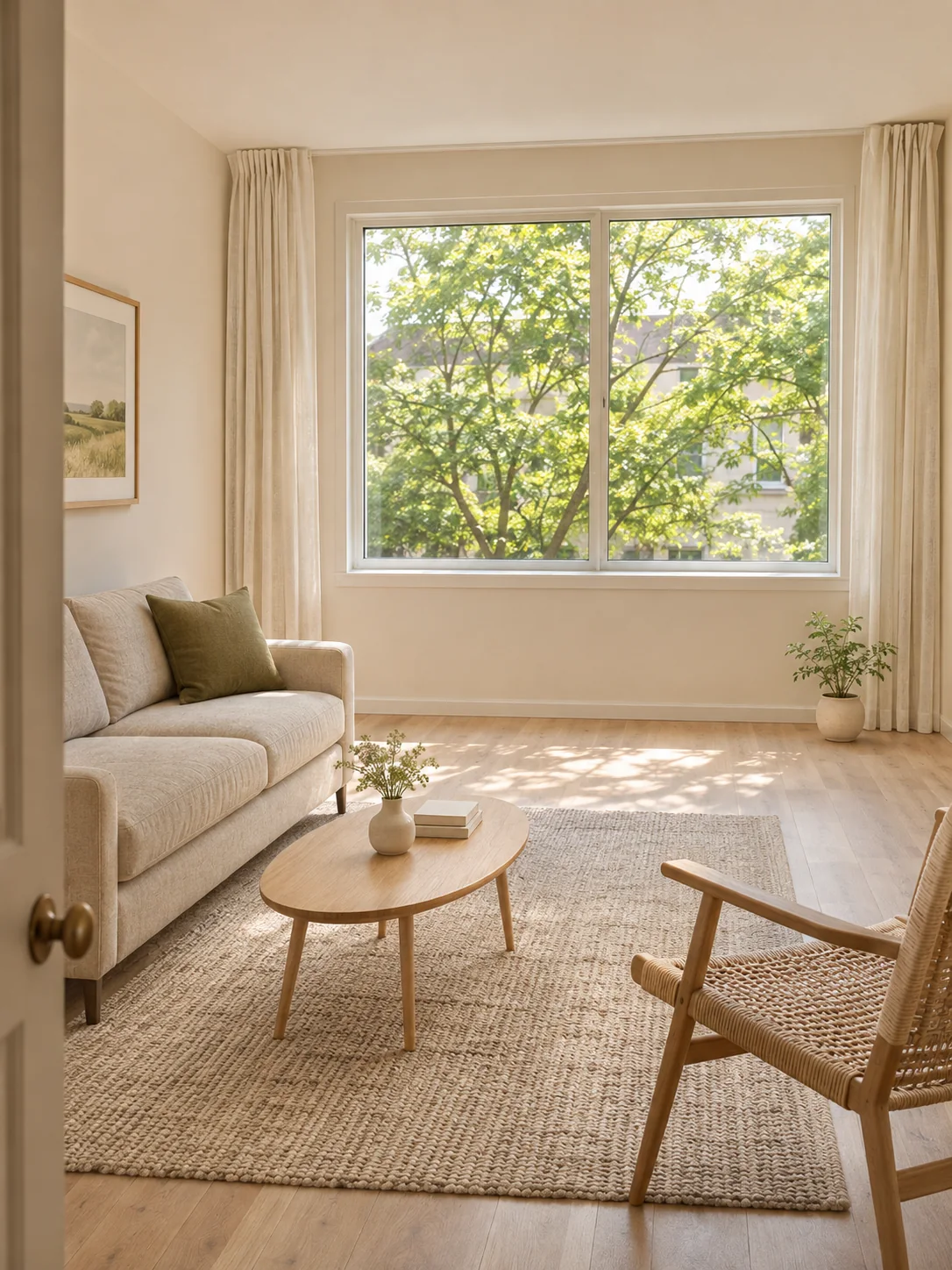
17. Keep Window Areas Visually Light
 Save
Move tall furniture out of the window’s sightline. If you need a piece nearby, choose one that sits below the sill and leaves room to open the window.
18. Add Greenery Without Using Much Floor Space
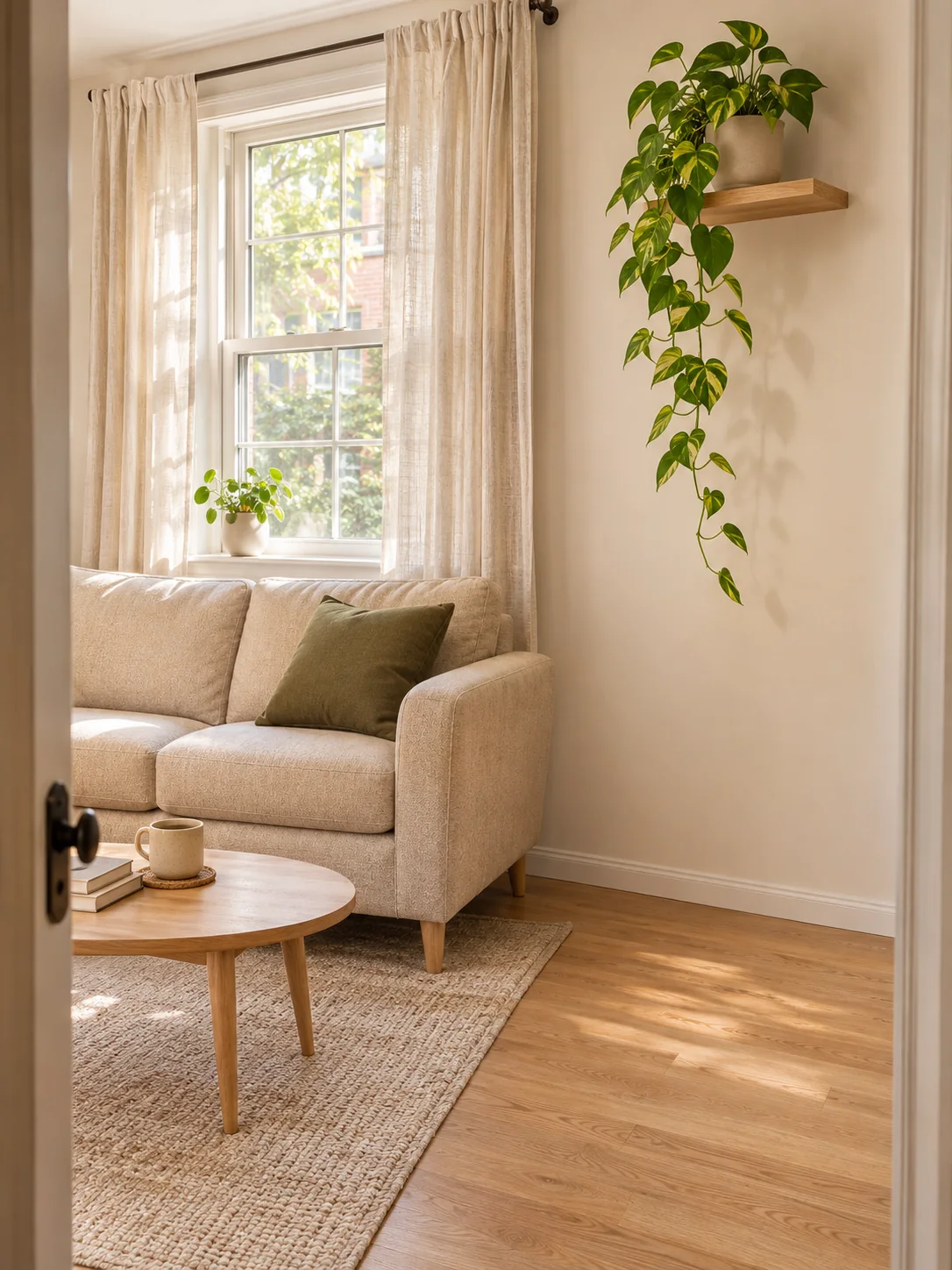 Save
Give a small plant a bright shelf or windowsill instead of using a floor planter. Set the pot on a saucer and keep trailing stems clear of busy routes.
19. Leave Breathing Room Around Furniture
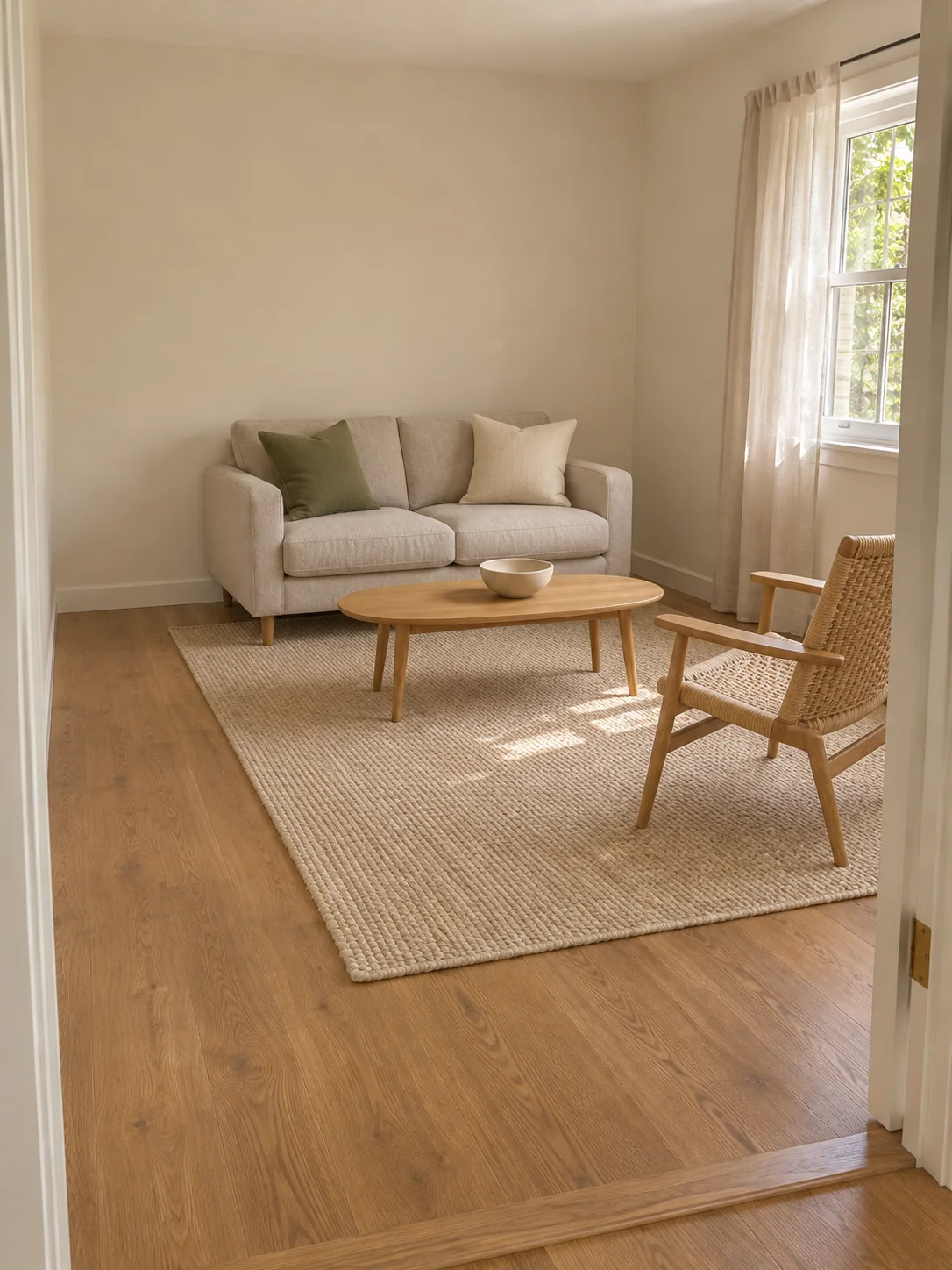 Save
Leave one corner open for a few days before filling it. If you never miss the extra chair or side table, give that floor space back to the room.